

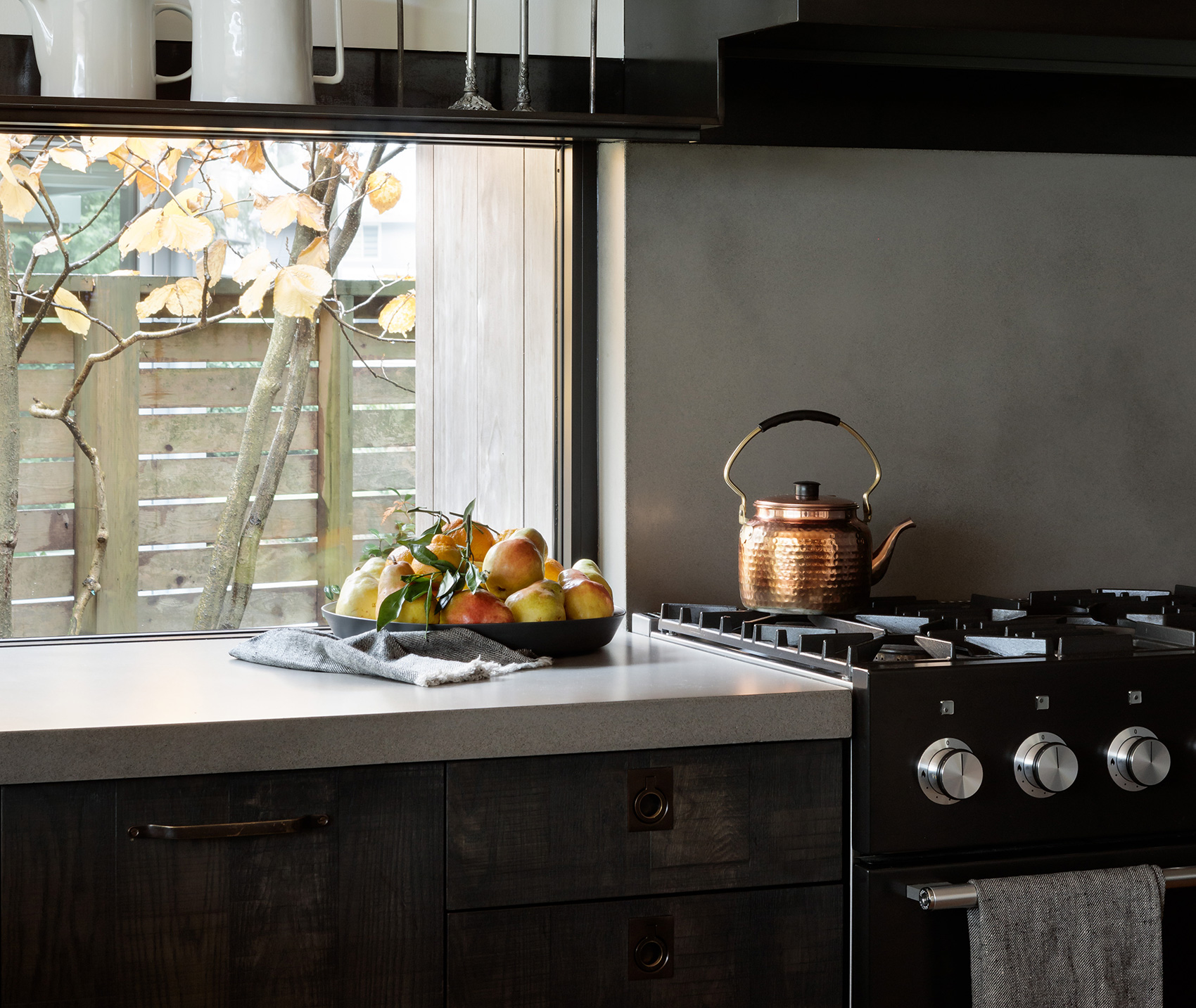
Simplicity in design is often misunderstood as the absence of detail, when in reality it requires more intention, not less. It asks difficult questions early, demands clarity in decision-making, and resists the temptation to overcomplicate. When done well, simplicity creates spaces that feel timeless, intuitive, and deeply considered.
A simple design begins with purpose. Every element has a reason for being there, and anything that doesn’t serve the overall vision is quietly removed. This process of refinement creates homes that feel calm and cohesive rather than busy or overstimulated. Instead of competing features, the architecture becomes a backdrop for daily life.
Material restraint plays a central role. Limiting the number of finishes allows textures, proportions, and craftsmanship to stand out. When materials are repeated intentionally throughout a home, they create continuity and visual ease. Subtle variations — grain, light, shadow — become the focus, rather than surface-level decoration.
Simplicity also supports longevity. Design trends come and go, but homes grounded in clear form and thoughtful details age gracefully. Straightforward layouts adapt more easily to changing needs, while durable materials and honest construction reduce the need for future intervention. The result is a home that evolves without losing its integrity.
Perhaps most importantly, simplicity allows space for people. When a home isn’t overloaded with design statements, it becomes more personal, more flexible, and more livable. It invites quiet moments, everyday rituals, and a sense of ease that can’t be manufactured through excess. At Braybrook Projects, simplicity is not a shortcut — it’s a discipline. One that leads to homes that are considered, enduring, and built to last.