

REFLECTIONS
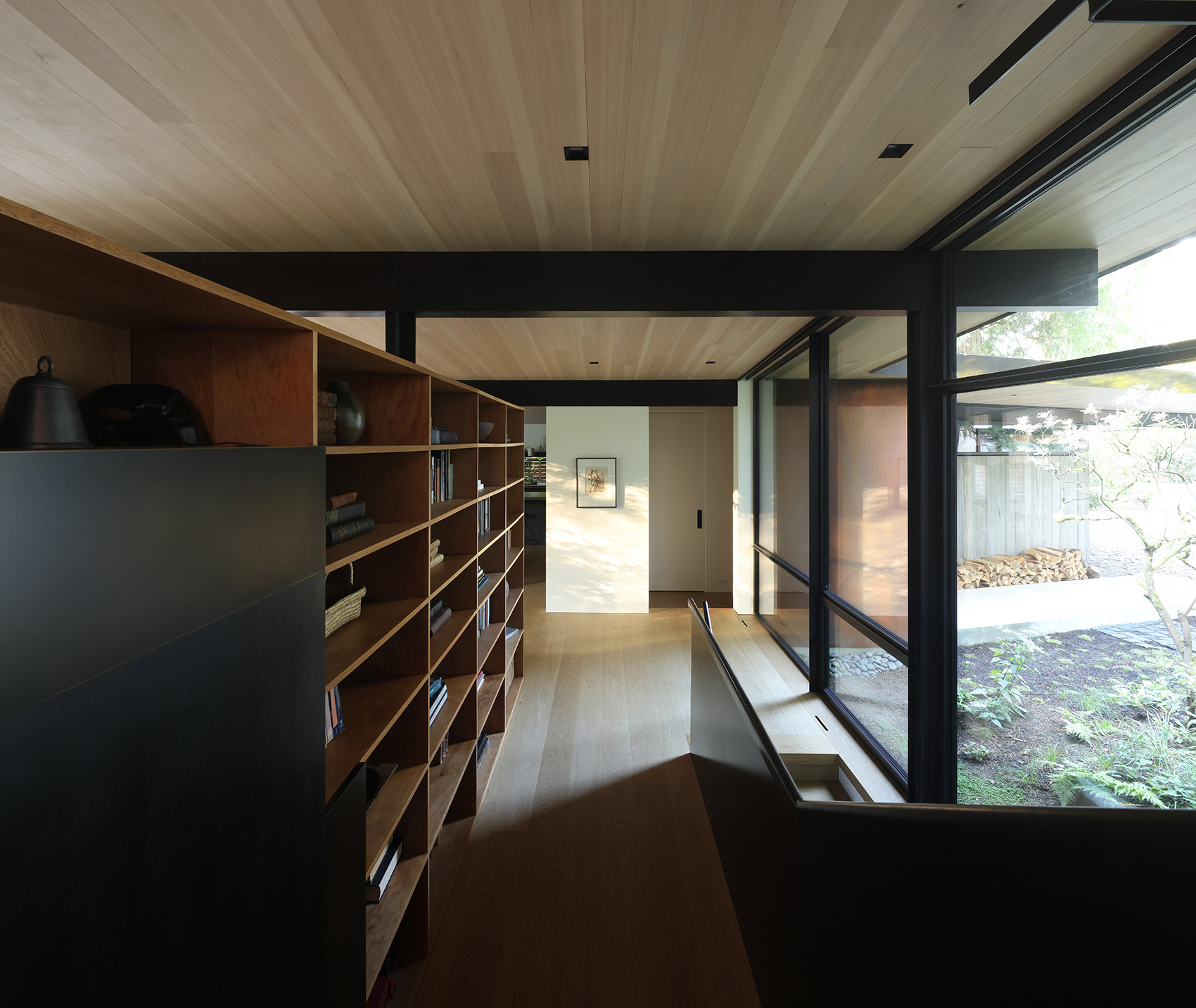
Maximizing Natural Light in Cloudier Regions
In regions where overcast skies are common, natural light becomes a precious design resource. Rather than relying on brightness alone, well-designed homes in cloudier climates focus on capturing, shaping, and distributing light in ways that feel soft, consistent, and intentional. The goal is not to overpower the interior, but to…

The Importance of Documentation in Construction
In construction, what’s written down matters just as much as what’s built. Documentation is the quiet framework that holds a project together, guiding decisions, protecting relationships, and ensuring that intent carries through from design to completion. When documentation is clear and consistent, projects run more smoothly. When it’s not, confusion…

How Builders Estimate Project Costs
Estimating the cost of a construction project is as much about foresight as it is about numbers. While spreadsheets and software play a role, accurate estimates are built on experience, context, and a deep understanding of how design decisions translate into real-world execution. For homeowners, understanding this process brings clarity…
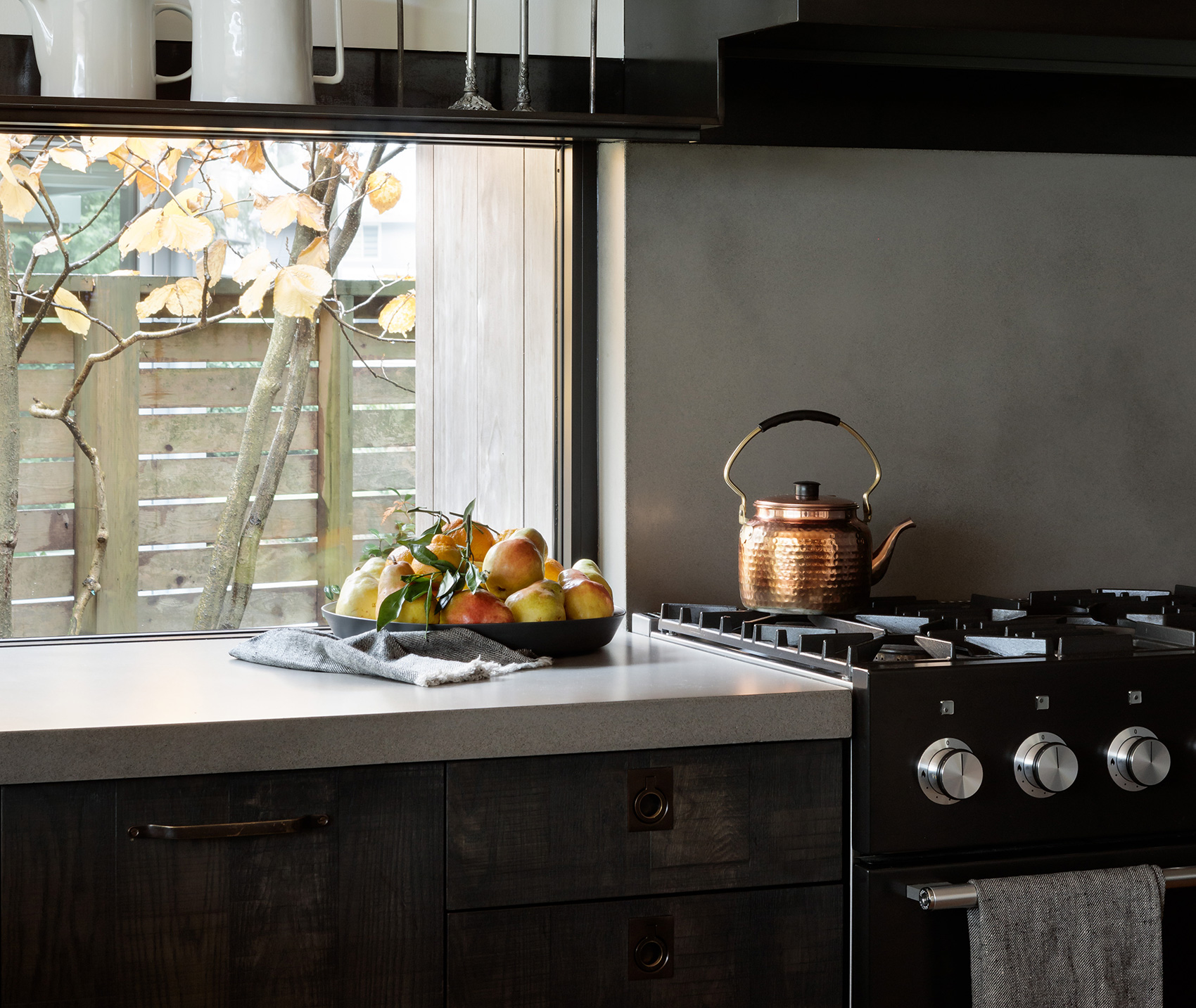
Why Simplicity Often Leads to Better Design
Simplicity in design is often misunderstood as the absence of detail, when in reality it requires more intention, not less. It asks difficult questions early, demands clarity in decision-making, and resists the temptation to overcomplicate. When done well, simplicity creates spaces that feel timeless, intuitive, and deeply considered. A simple…

Designing Spaces That Feel Calm and Intentional
Calm is rarely accidental. In well-designed homes, it’s the result of thoughtful choices made early and carried consistently through every detail. Spaces that feel intentional don’t overwhelm or compete for attention — they invite you in, slow you down, and quietly support daily life. Proportion and flow set the foundation.…
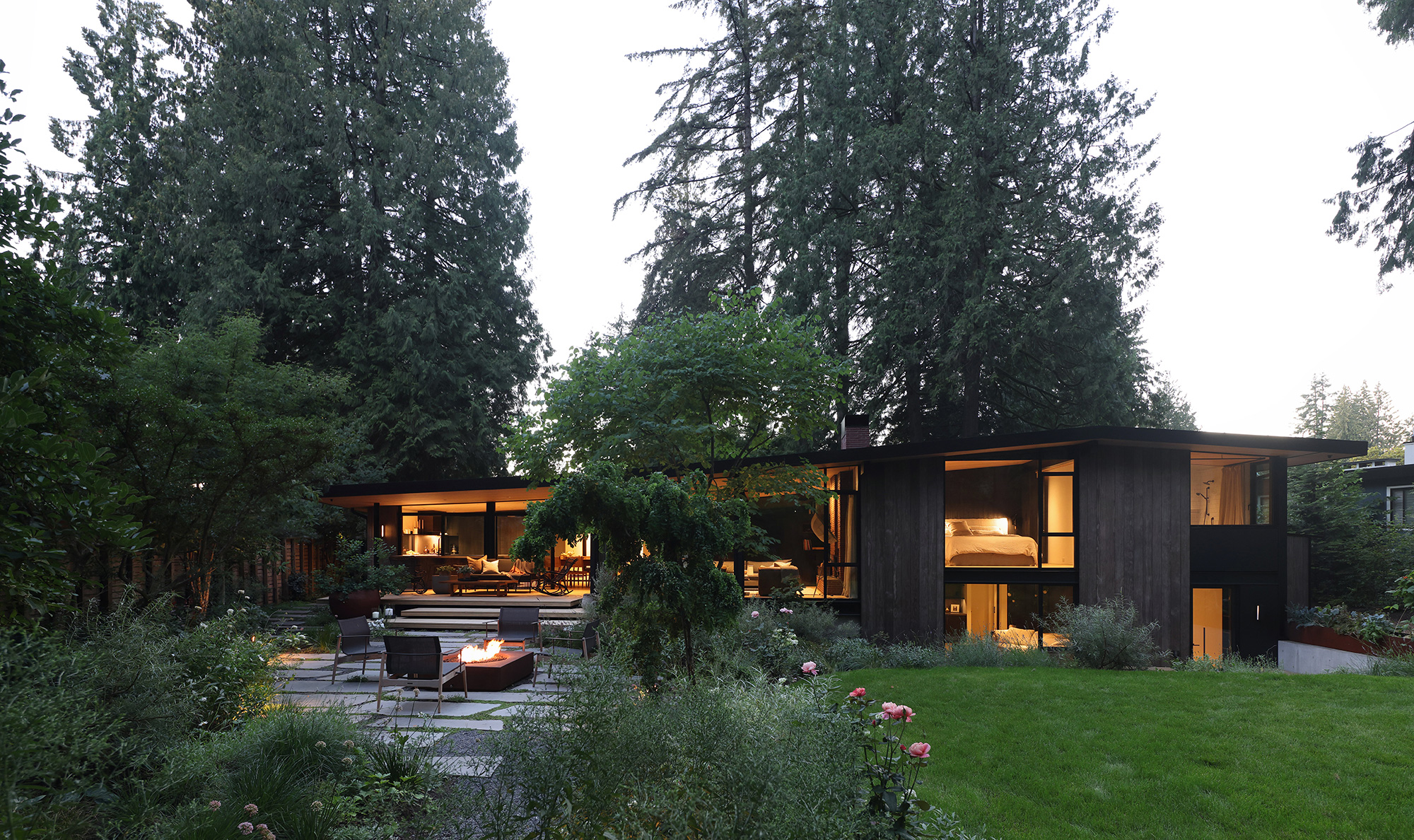
Building for Rainy Climates: Lessons from the West Coast
On the West Coast, rain is not a season — it’s a defining condition. It shapes the way landscapes evolve, how cities grow, and how homes must be built to endure. Designing and constructing in a wet coastal climate requires more than aesthetic decisions; it demands foresight, restraint, and a…

Avoiding Budget Overruns in Custom Home Projects in Vancouver
Building a custom home in Vancouver is exciting, a chance to bring your vision to life down to every detail. But anyone who’s been through the process knows how quickly costs can spiral if budgets aren’t carefully managed. At Braybrook Projects, we’ve seen firsthand how homeowners can protect their investment…

Navigating Architectural Home Renovations in Burnaby
Renovating a home in Burnaby isn’t just about updating finishes—it’s about reshaping the way a space functions, feels, and supports daily life. With its diverse neighbourhoods, steep topography, and mix of heritage pockets and modern developments, Burnaby presents a unique landscape for architectural renovations. Homeowners here are increasingly choosing transformative…

Why Energy-Efficient Homes Are the Future in Vancouver
Vancouver is changing — not just in its skyline, but in the way homes are designed, built, and lived in. With rising energy costs, evolving building codes, and a growing focus on sustainability, energy-efficient homes aren’t just a trend. They’re the future of living in this city. At Braybrook Projects,…

The Real Timeline for Building a Custom Home in Vancouver
If you’re thinking about building a custom home in Vancouver, you’ve probably heard timelines that range anywhere from a year to several. The truth sits somewhere in between — and understanding each stage can make the process smoother, less stressful, and more rewarding. At Braybrook Projects, we’ve guided dozens of…