

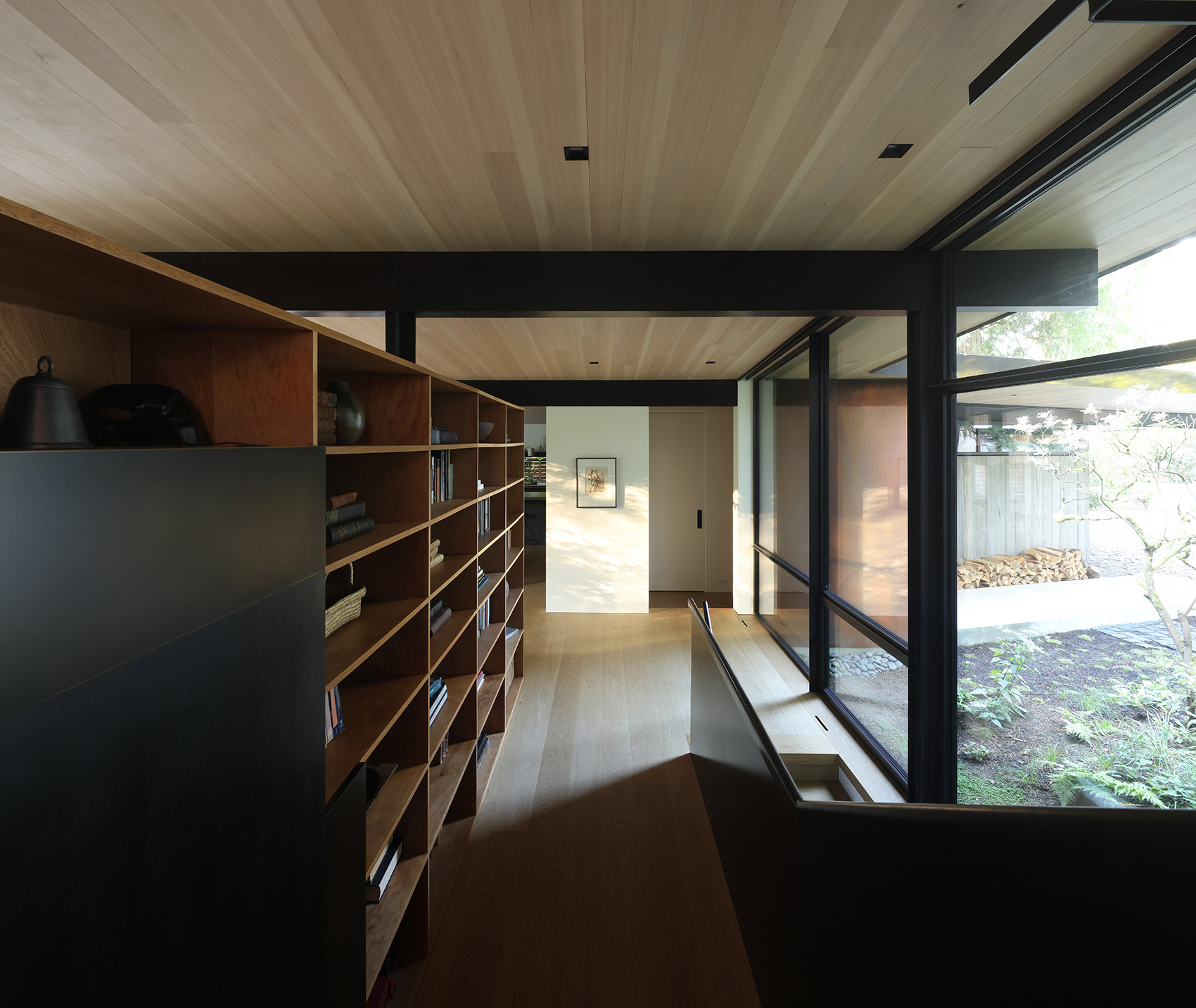
In regions where overcast skies are common, natural light becomes a precious design resource. Rather than relying on brightness alone, well-designed homes in cloudier climates focus on capturing, shaping, and distributing light in ways that feel soft, consistent, and intentional. The goal is not to overpower the interior, but to create spaces that feel open, warm, and connected to the outdoors year-round.
Orientation plays a foundational role. Thoughtful placement of a home on its site determines how daylight enters throughout the day, even when the sun is diffused behind clouds. South-facing exposures, when possible, offer the most consistent light, while carefully positioned openings on other elevations help balance illumination and reduce harsh contrast. In these environments, light is about direction and depth rather than intensity.
Window design is equally important. Larger openings, higher head heights, and minimal obstructions allow light to travel further into a space. The quality of glazing matters as much as quantity — high-performance windows can admit light while maintaining thermal comfort, reducing glare, and minimizing heat loss. When windows are aligned thoughtfully across a floor plan, light moves through a home rather than stopping at its edges.
Interior surfaces quietly amplify the effect. Lighter-toned walls, ceilings, and flooring reflect daylight, extending its reach without feeling sterile. Subtle textures help diffuse light, preventing flatness and adding depth even on grey days. Open layouts, interior glazing, and strategically placed openings between rooms allow borrowed light to soften spaces that might otherwise feel enclosed.
Artificial lighting, when layered thoughtfully, supports natural light rather than replacing it. Soft ambient lighting, paired with targeted task and accent fixtures, maintains visual comfort as daylight fades. The transition from day to evening feels seamless, preserving a sense of calm rather than signaling abrupt change.
In cloudier regions, maximizing natural light is less about chasing sun and more about designing with intention. When architecture, materials, and lighting work together, homes feel luminous, grounded, and quietly uplifting regardless of the weather outside. At Braybrook Projects, we approach light as a fundamental design element, shaping homes that feel bright, balanced, and deeply livable year-round.